
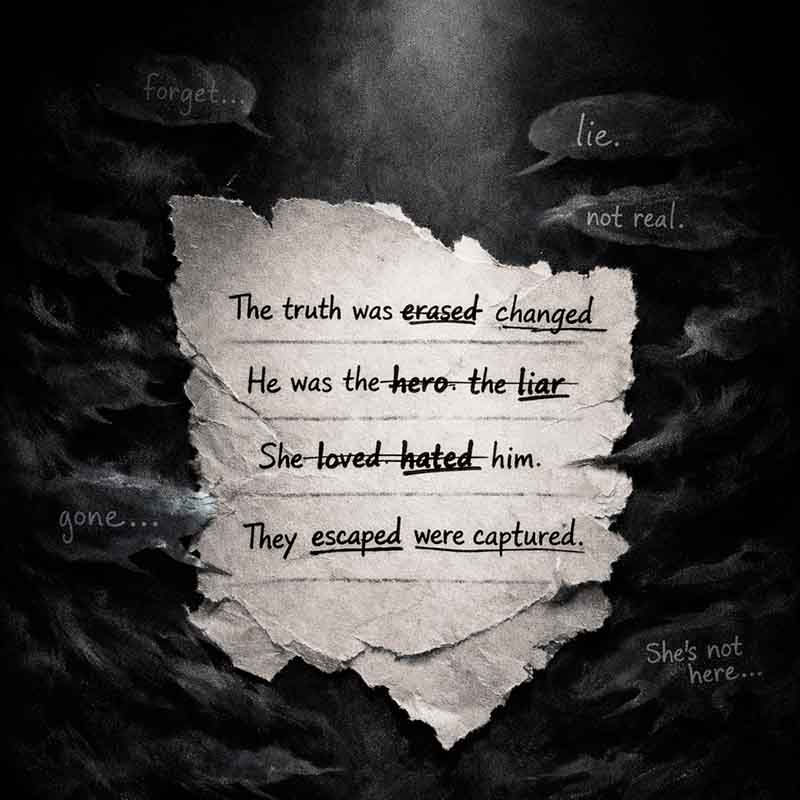
You find out someone has been using narrative manipulation tactics when talking about you. Not to you. About you. To mutual friends, family members, coworkers. They’re telling a version of events where you’re the problem. The story paints you as unstable, difficult, or wrong. You didn’t know this narrative existed until someone mentioned it because such manipulation tactics can be subtle.
Here’s what happened. Someone did something they know was wrong. They can’t face what they did. So they rewrote what you did. Your response to their behavior becomes the story. Not their behavior. Yours. These tactics serve to shift the narrative and blame. This is precisely how narrative manipulation tactics unfold.
This isn’t about who has more social power. This is about someone protecting themselves from accountability through manipulation tactics.
When People Rewrite Your Behavior
You set a boundary. They tell people you cut them off without warning. You called out a lie. They tell people you overreacted to nothing. You ended a relationship. They tell people you abandoned them during a hard time using manipulative narrative tactics. These are the tactics used to manipulate narratives about you.
The pattern works like this. They do something. You respond. They erase what they did and turn your response into unprovoked behavior. Now the story starts with your reaction. What you reacted to disappears.
Someone who spreads this narrative knows what they did. They’re not confused. They’re managing how others see the situation. When someone has to rewrite your behavior to make their behavior disappear, they know their behavior was wrong, thus employing manipulation tactics.
Why Narratives Function as Protection
When you do something wrong, you have two options. Face what you did or convince others the other person is the problem using these manipulation tactics. Facing what you did requires sitting with discomfort. Requires admitting you caused harm. Requires changing behavior. In essence, people deploy narrative manipulation tactics as a defense.
Creating a narrative about the other person requires none of that. You tell a story. People believe it or they don’t. Either way, you don’t have to face what you did. The narrative becomes a shield between you and accountability, manipulated skillfully.
This is why smear campaigns happen. Someone needs others to believe their version before you tell yours. They’re not gathering support. They’re building protection. The more people who believe their story, the less they have to examine their behavior.
What Recruiting Others Tells You
Someone who is grounded in their version of events doesn’t need to recruit others. They know what happened. They handle the situation directly. They don’t need a consensus to validate their perception.
When someone needs to tell multiple people their version of what you did, they’re trying to make the story true through repetition. They’re hoping if enough people believe it, they won’t have to question whether their version is accurate, a common tactic of narrative manipulation.
This is how manipulators use others to influence you. They create a social reality where everyone believes you’re the problem. Now when you speak up, you’re contradicting what “everyone knows.” The narrative becomes harder to challenge because it’s distributed across multiple people.
The Difference Between Fighting and Outgrowing
You find out about the narrative. Your first instinct is to correct it. To tell your side. To prove what happened. You want to set the record straight.
This is a trap. The narrative isn’t about truth. The narrative is about protection. When you fight the story, you’re arguing with a shield. The person who created the narrative doesn’t care if it’s true. They care if it protects them.
Fighting the narrative keeps you engaged with someone who already demonstrated they won’t deal with you honestly. You’re trying to have a truth-based conversation with someone who is managing perception, not seeking accuracy, utilizing narrative manipulation tactics.
Outgrowing the narrative means letting the story exist without you in it. You know what happened. The people who matter to you know your character. The narrative has no power over you unless you give it power by fighting it.
What This Looks Like
Someone tells you people are saying you’re difficult. You don’t defend yourself. You don’t explain. You note who is spreading the narrative and you adjust accordingly. Someone who needs to rewrite your behavior to protect themselves will do it again.
Someone tells you a mutual friend believes the narrative. You don’t correct the mutual friend. People who know you will question a story that doesn’t match what they observe. People who don’t know you will believe whatever they hear. Neither group requires your input.
You keep building your life. The narrative stays in the past. You move forward. Someone stuck telling stories about you is stuck in a moment you already left. That’s how negative forces try to steal your thoughts and pull you off your path. They want you focused on their story instead of your life.
What the Narrative Tells You
When someone rewrites your behavior, they’re telling you who they are. They’re showing you they prioritize how they’re seen over how they behave. They’re demonstrating they will distort reality to avoid accountability. Such behavior is a characteristic indicator of tactics used for narrative manipulation.
This is information. Not a problem to solve. Someone who builds narratives to protect themselves from their own behavior will keep doing this. The narrative about you is just the current version. There will be narratives about others. The pattern is the person, not the situation.
You already know what happened. You don’t need others to confirm it. The narrative exists because someone else needs it to exist. Let them have it. You have the truth. The truth doesn’t need a promotional campaign to counter anything, including manipulation tactics.